
The Model That Cuts Four Vendor Touches to One and Why Smart Brands Are Switching
The Hidden Cost of Every Touch
Here’s a question most supply chain leaders don’t ask often enough: how many times does your product get physically handled between the overseas factory and the retail shelf?
For most brands importing product into the U.S., the answer is four or five. And each one of those touches is a cost, a delay, and a risk.
The typical import supply chainlooks like this:
1. Coastal port receiving. Container arrives atLong Beach, Newark, or Savannah. Product gets unloaded, inspected, and clearedthrough customs.
2. Bonded warehouse. Product transfers to a bondedfacility for temporary storage. Another invoice. Another vendor relationship.
3. Packaging or kitting facility. Product movesagain to a co-packer or contract packager for assembly, kitting, labeling, andretail-ready preparation.
4. Fulfillment center or 3PL. Finished producttransfers to a distribution facility for warehousing and order fulfillment.
5. Retailer or end customer. Product finally shipsto its destination weeks after it first hit U.S. soil.
Five touches. Five invoices.Five vendors who all need to coordinate perfectly for one order to execute ontime. And when something goes wrong at touch three, everyone downstream paysfor it.
The math is brutal. Everyadditional touch adds cost, extends lead time, and introduces the kind ofcoordination risk that shows up as a chargeback, a missed delivery window, or aretailer compliance violation that nobody catches until it’s too late.
What Is Direct Import Conversion?
Direct Import Conversion is amodel that collapses the entire import-to-shelf supply chain into a singlefacility and a single partner.
Here’s how it works:
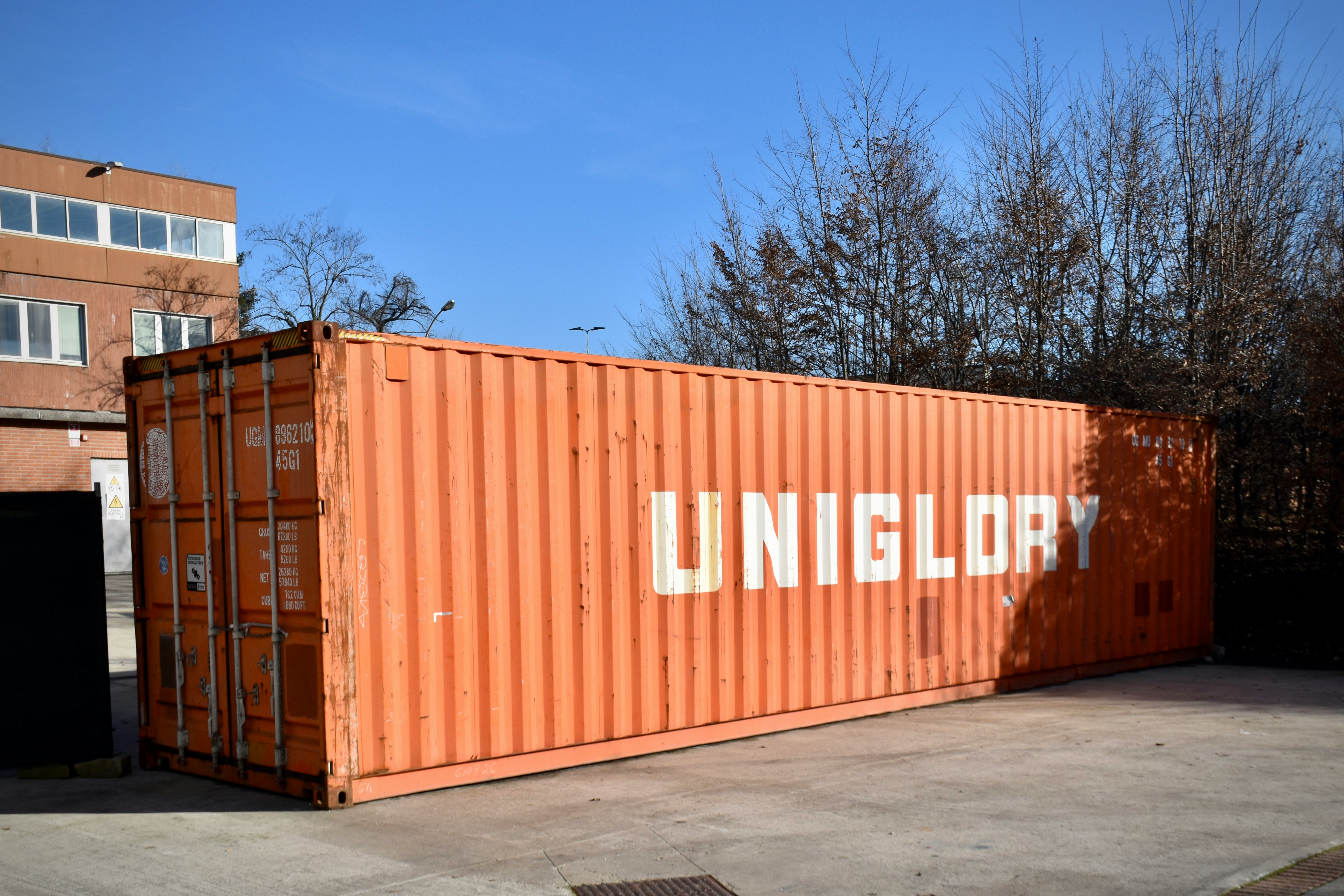
• Your product arrives from overseas directly intothe conversion facility. No intermediate warehouse. No coastal layover.
• Packaging is created on-site. Cartons, partitions Cartons, partitions, inserts retail displays designed and manufactured in the samefacility. No outsourcing to a separate printer or packaging supplier.
• Assembly and kitting happen under the same roof. , promotional bundles, gift sets, retail displays, subscription kits allassembled by the team that made the packaging.
• Product is stored for scheduled release. Seasonal launches Seasonal launches, monthly subscriptions, promotional calendars product sits ready andships against your PO timeline.
• Ships direct to retailer or end customer. Retail-compliant,labeled, palletized, and delivered. One facility handled the entire journey.
That’s one touch instead offour. One partner instead of five. One invoice instead of a stack of them.
The Foreign Trade Zone Advantage
The Direct Import model becomeseven more powerful when the conversion facility is located inside a ForeignTrade Zone.
A Foreign Trade Zone is afederally designated area where imported goods can be received, stored,handled, manufactured, and converted without triggering import duties. Youdon’t pay tariffs until the product leaves the FTZ and enters domesticcommerce.
For brands with significantimport volumes, this creates three advantages:
• Cash flow. You’re not paying duties on productthat’s sitting in conversion or waiting for a ship date. Money stays in yourpocket longer.
• Tariff efficiency. If your finished productcarries a lower duty rate than the raw components, you may pay less byconverting inside the FTZ and exporting the finished good. This is called“inverted tariff” treatment.
• Flexibility. Product can be re-exported withoutever incurring U.S. duties. If plans change, you’re not stuck with a tax billon goods that never reached a U.S. customer.
Chicago is one of the country's most active Foreign Trade Zone regions. A conversion facility in the Chicago FTZ can receive imported goods, handle the full packaging and assembly cycle, and ship domestically all while deferring tariffs until the product actuallymoves into the market.
Why This Matters Now: Tariffs, Complexity, and the Cost of “Business asUsual”
Tariff uncertainty has madeimport planning harder than it’s been in decades. Rates change. Exemptionsexpire. New duties get proposed and sometimes implemented within months.
Brands that are managingimports through a fragmented, multi-vendor supply chain feel every one of thoseshifts. Each change means renegotiating with multiple partners, recalculatinglanded costs, and sometimes re-routing entire shipments.
The Direct Import model doesn’teliminate tariff risk. But it radically simplifies how you respond to it. Onepartner. One facility. One conversation when conditions change instead of five.
And the complexity reductiongoes beyond tariffs. Brands that consolidate their import-to-shelf chain into asingle partner are reporting shorter lead times, fewer chargebacks, lowerfreight costs, and — maybe most importantly — fewer surprises.
What to Look For in a Direct Import Partner
Not every co-packer or 3PL canrun a true Direct Import program. The model requires capabilities that mostfacilities don’t have under one roof.
When evaluating partners, lookfor:
• Vertical integration. Can they design,manufacture, and print the packaging — not just assemble it? If the cartonscome from somewhere else, you’ve already added a vendor and a touch.
• Foreign Trade Zone location. Is the facilityactually inside an FTZ? Not “near” one. Inside one. That’s where the tariffdeferral happens.
• Container receiving capability. Can they take acontainer directly from international freight? Some facilities only acceptpalletized domestic freight. That’s not Direct Import.
• Retail compliance expertise. If the enddestination is Walmart, Amazon, Costco, or any major retailer, the partnerneeds to understand the specific labeling, packaging, and delivery requirementsfor each. This isn’t optional — it’s where chargebacks come from.
• ISTA certification. Amazon and Sam’s Clubrequire ISTA 6 transit testing certification. Without it, every shipment is achargeback risk. Look for a partner that’s an ISTA-registered testing lab, notone that outsources the testing.
• Proven scale. Ask about volume. The differencebetween assembling 500 kits and executing a million-unit program withserialized tracking is not incremental — it’s a completely different operation.
The Bottom Line
Every touch in your supplychain is a cost. Every vendor is a coordination risk. Every handoff is a chancefor a chargeback, a delay, or a mistake that erodes margin.
Direct Import Conversiondoesn’t just reduce touches. It eliminates the entire middle layer of theimport supply chain — the bonded warehouses, the separate co-packers, thethird-party fulfillment centers, and the brokers trying to coordinate all ofthem.
One facility. One partner.Container to shelf.
If you’re importing product andyour current supply chain has more than two touches between port and customer,it’s worth understanding what the alternative looks like.
Have Questions About Direct Import?
If you’re importing product andwant to understand how the Direct Import model works in practice — or just wantto compare it against your current setup — we’re happy to walk through themechanics.
Have a quick question? Emma, our24/7 Midwest Packout specialist, can help.
Bay Cities is a 100% employee-owned direct manufacturer of retail packaging, POP displays, and packout services. Preferred vendor at major retailers.



Ready to find your packaging partner?
Join hundreds of manufacturers and buyers already using PackageLink to streamline their sourcing process.